The first quarter of 2026 has marked a period of significant momentum across Nigeria’s infrastructure landscape. Driven by a combination of ambitious federal budgetary allocations, international financing arrangements, and private sector participation, the quarter saw notable developments spanning digital infrastructure, road and rail transport, urban mobility, maritime logistics, and the emerging green economy.
Key highlights include the continued rollout of Project BRIDGE, Nigeria’s flagship broadband expansion programme backed by over $600 million in secured World Bank, EBRD, and EU funding, structured around a private sector led fibre SPV model that remains in its preparatory phase. In the transport sector, the Federal Government proposed N3.23 trillion spend for federal roads in the 2026 budget (a 489% increase on 2024 allocations) and the allocation of N102.3 billion as counterpart funding for Phase One of the Lagos Green Line rail project. Kano State announced plans for a N1 trillion metropolitan rail system., The Nigerian Railway Corporation expanded the timetable frequency on the Abuja – Kaduna corridor from March 2026, marking a further step in the line’s recovery from the 2022 terrorist attack.
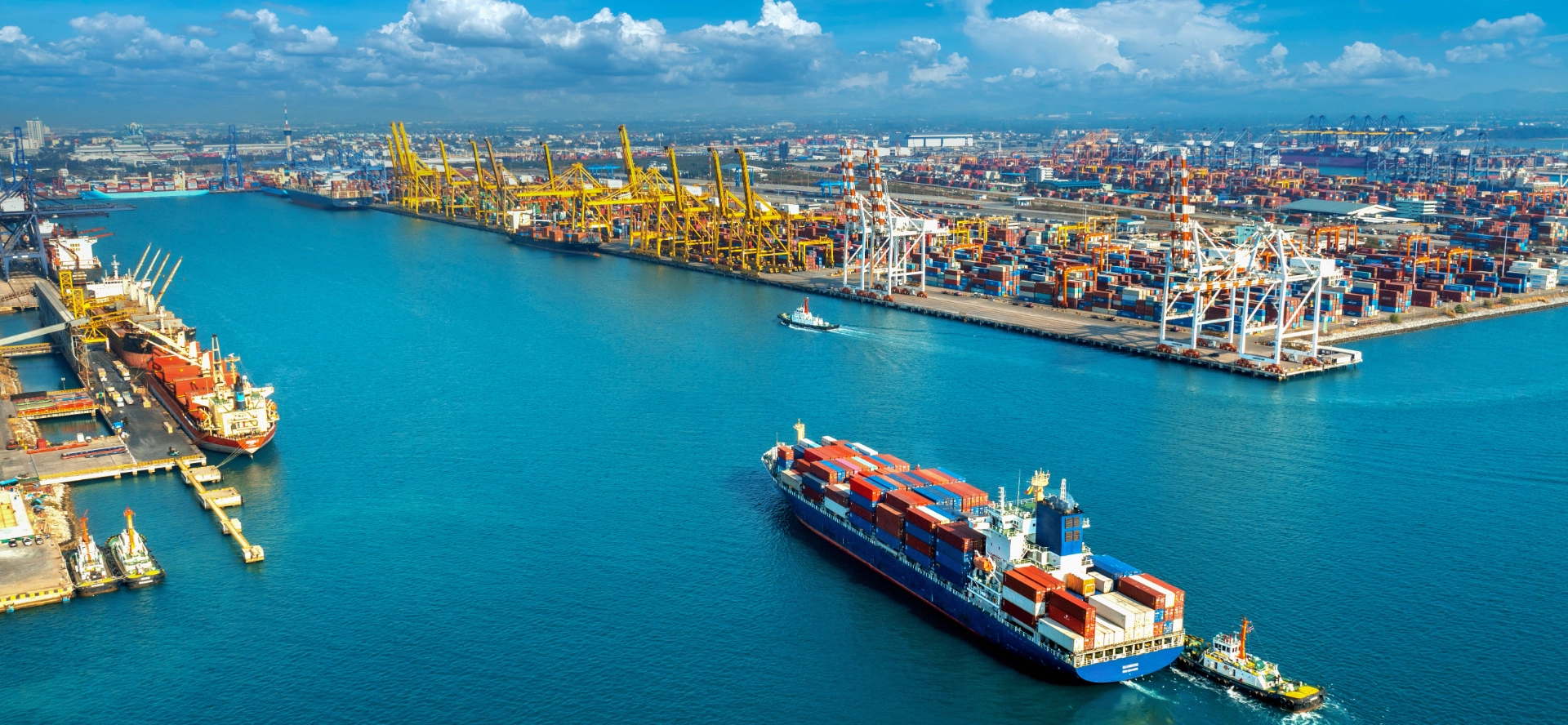
On the regional and maritime fronts, the $15.6 billion Lagos–Abidjan Highway advanced with construction targeted to commence in 2026, and President Tinubu signed a £746 million UK-backed financing agreement for the redevelopment of the Lagos ports at Apapa and Tin Can Island. The Mediterranean Shipping Company secured a 45-year concession to
develop a new container terminal at Snake Island, reinforcing private sector confidence in Nigeria’s maritime infrastructure. The Federal Government also announced its intention to discontinue the road infrastructure tax credit
scheme, reverting to formal budgetary appropriation for all road projects.